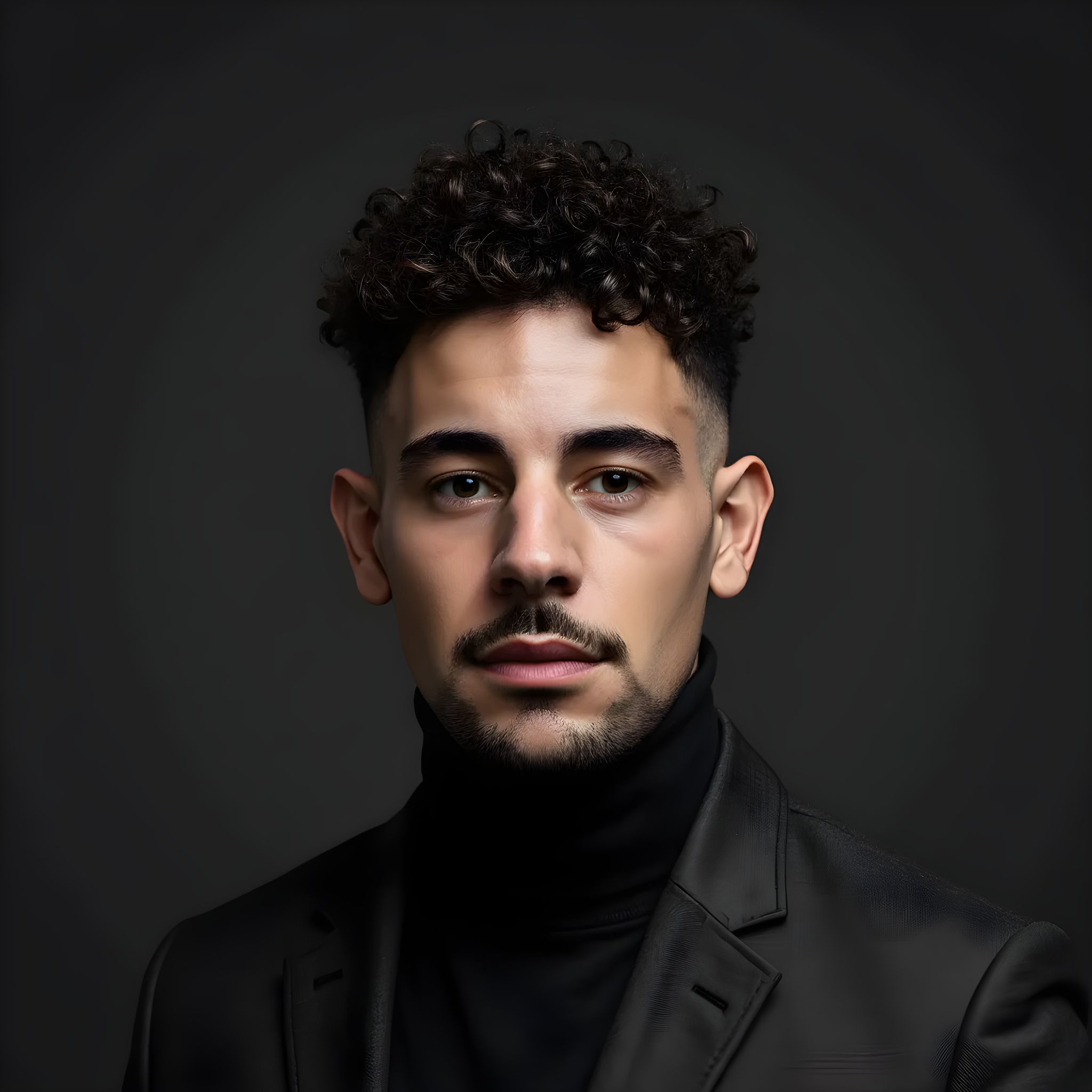
Historia del retrato corporativo: Pintores clásicos y fotógrafos modernos

Descubre la evolución del retrato corporativo a lo largo del tiempo

Fri Feb 16 2024 2 min de lectura
Historia del retrato corporativo: Pintores clásicos y fotógrafos modernos

Introducción

El retrato corporativo es un género artístico que ha evolucionado a lo largo de los siglos, desde los pintores clásicos hasta los fotógrafos modernos. En este artículo, exploraremos la historia de este tipo de retrato y cómo ha cambiado con el tiempo.

Orígenes del retrato corporativo

El retrato corporativo tiene sus raíces en los retratos de los reyes y gobernantes de la antigüedad. En las civilizaciones antiguas, los retratos eran utilizados para representar el poder y la autoridad de los líderes políticos y militares.

En la Edad Media, los retratos comenzaron a aparecer en documentos oficiales y en la iconografía religiosa. Los pintores medievales utilizaban el retrato para representar a los santos y a las figuras religiosas más importantes.

¿Necesitas fotos profesionales ahora mismo?

Genera retratos con IA en minutos. Sin fotógrafo ni estudio.

Probar ahora

La era del Renacimiento y la Revolución Industrial

Durante el Renacimiento, el retrato experimentó un gran auge y se convirtió en uno de los géneros más importantes del arte. Los pintores renacentistas, como Leonardo da Vinci y Rafael, desarrollaron nuevas técnicas y estilos para representar a los retratados de manera más realista y detallada.

Con la llegada de la Revolución Industrial, los retratos se expandieron más allá de la realeza y la nobleza. Las clases emergentes de burgueses y empresarios comenzaron a encargar retratos para inmortalizar su estatus social y éxito económico.

La era de la fotografía y la tecnología

A medida que avanzaba el siglo XIX, la fotografía comenzó a ganar popularidad y a competir con la pintura como medio para crear retratos. Los primeros fotógrafos de retratos corporativos, como Nadar y Julia Margaret Cameron, buscaban capturar la personalidad y el carácter de sus sujetos.

Con el advenimiento de la fotografía digital en el siglo XX, los retratos corporativos se volvieron más accesibles y versátiles. Los fotógrafos modernos utilizan la tecnología y la iluminación avanzada para crear retratos corporativos que reflejen la identidad y los valores de una empresa o individuo.

El retrato corporativo en la actualidad

En la actualidad, el retrato corporativo sigue siendo una parte importante de la imagen de una empresa. Los retratos de directivos y empleados transmiten profesionalismo y confianza, y se utilizan en sitios web, informes anuales y perfiles en redes sociales.

La forma en que se realiza un retrato corporativo ha evolucionado significativamente, pero el propósito fundamental sigue siendo el mismo: representar a una persona o empresa de manera auténtica y convincente.

¿Te ha gustado este artículo?
Lleva tu imagen al siguiente nivel

Genera fotos profesionales con IA para CV, LinkedIn, Instagram y WhatsApp en minutos. Sin fotógrafo ni estudio.

14,954+ profesionales ya lo hicieron. ¿Y tú?

Pago único · Sin suscripción · Listo en menos de 1 hora

Gallery

Over 14,954 professionals have already transformed their image

AI-generated photos with stunning realism. Join thousands of professionals who trust ImagenMIA.

AI Generated
AI Generated
AI Generated
AI Generated
AI Generated
AI Generated
AI-generated photos. None of these photos are real — all were created with ImagenMIA.

ImagenMIA has improved my professional profile. Now I have high-quality photos for my CV and LinkedIn without spending money on a physical photoshoot.

Bordon L.

Bordon L.

Nurse

FAQ

Frequently Asked Questions

Data is securely stored on servers in Europe, by trusted and highly secure third-party partners.

JPG, PNG, WebP, and HEIC. We do NOT support AVIF or GIF. Please note that it is your responsibility to provide good high quality pictures so that our AI can yield better results.

Yes, we use Polar for payment. We don't store any of your credit card information.

Yes, you can get an invoice for your purchase. In the email you receive from Polar, you'll have the option to generate an invoice.

Yes, you can use your profile photos on TikTok, WhatsApp, Instagram, etc. You can use them on your social media profiles, on your website, on your business cards, etc. You can also use them for personal use, such as on your dating profile, etc.

Our AI image generator, ImagenMIA, uses photos you upload to train AI models which then draw professional photographs. It's an AI that draws from the photos you provide it.

ImagenMIA can generate images in over 100 different styles, including corporate headshots, anime-style pictures, artistic photographs, gaming-related images, and gangster-style photos. This ranges from shareable profile pictures, aesthetic profile photos, to WhatsApp profile pictures. We are always updating and enhancing our AI to cater to your needs.

We train our AI model with the photos you upload, render avatars, and then delete them along with the models from our servers/GPU APIs within a span of 30 days. To delete them faster, simply press 'Delete' and we'll erase all the data instantly. Be careful with other apps, they store data indefinitely and can generate images with your face. Some are even linked to foreign governments.

Generating images through AI involves an expensive and complex process. Our model is trained with the photos you upload to creates stunning avatars in a variety of different styles: realistic, artistic, anime, funny and more. This whole process requires significant computing resources. If you see any company charging less or for free, you should understand that these services make money by selling your data. We don't sell your data to offset costs. Your privacy is our top priority.

Yes, we can refund purchases made within the first 14 days, as long as you haven't trained the AI yet. After 14 days or once a plan has been used, it is no longer eligible for a refund. Please refer to our Terms of Service for more details.

For optimal results, consider providing 10 close-up shots, 3 from the side, 5 of the upper body, and 3 that capture the full figure. Diversity enhances the outcome, so vary your facial reactions, settings, backdrops, and angles. Avoid heavy makeup and direct eye contact. Quality images are key. Opt for minimal makeup and consider occasionally looking away from the camera for a natural feel. High-resolution photos yield the best results. While we don't accept nude images, photos in swimwear or undergarments are permissible.